
A country you don’t just visit —
you feel
Ancient streets beside modern cafés, conversations that begin before you sit down, and a sense of belonging that arrives quietly.
Start here — not with dates, but with what a traveler experiences: place, people, and pace.
Culture Beyond History
A look at the people, values, and everyday life that shape Iraq today.
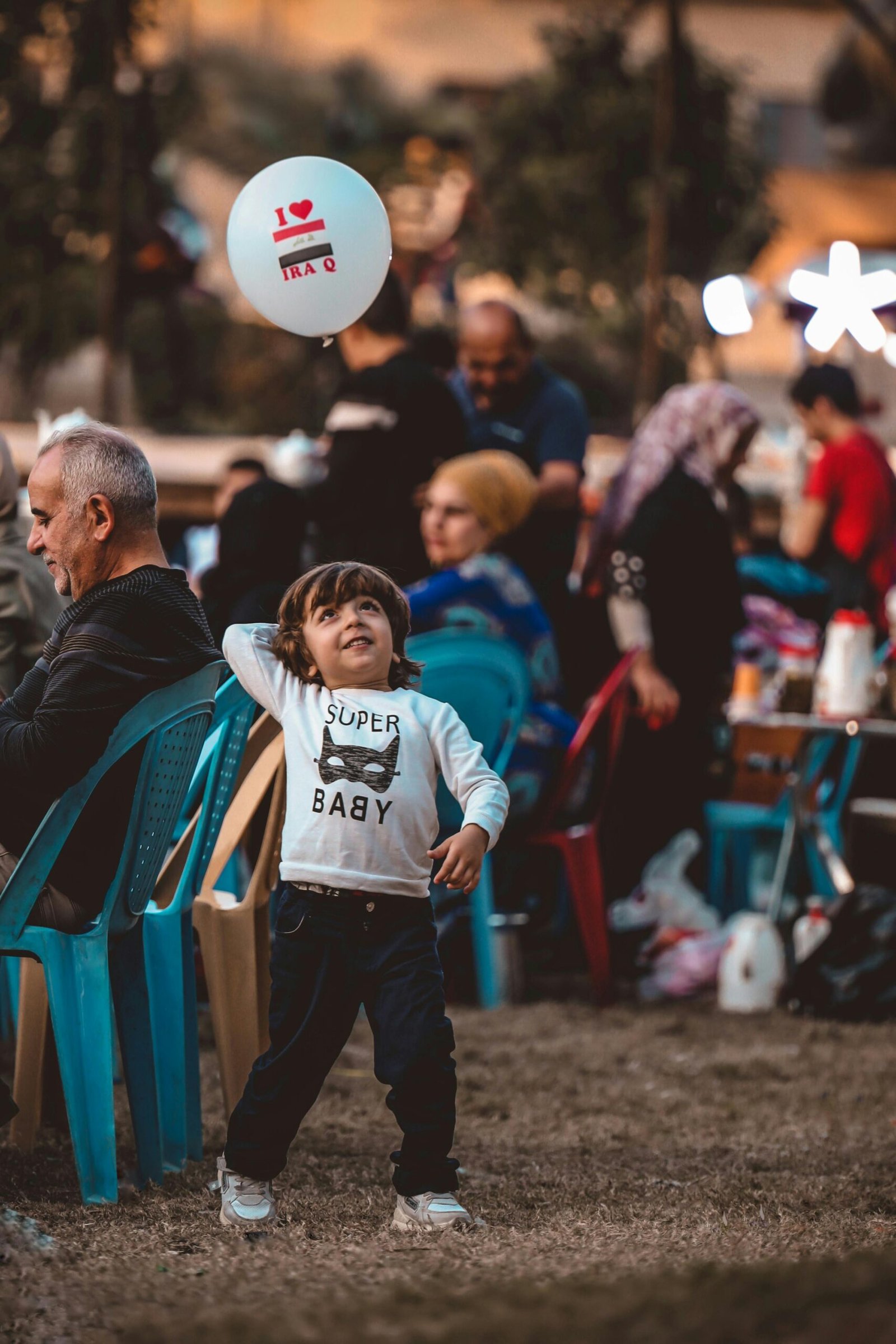
Family & Community
Family life sits at the heart of society. Relationships are close, respect flows across generations, and everyday moments are shaped by togetherness rather than routine.
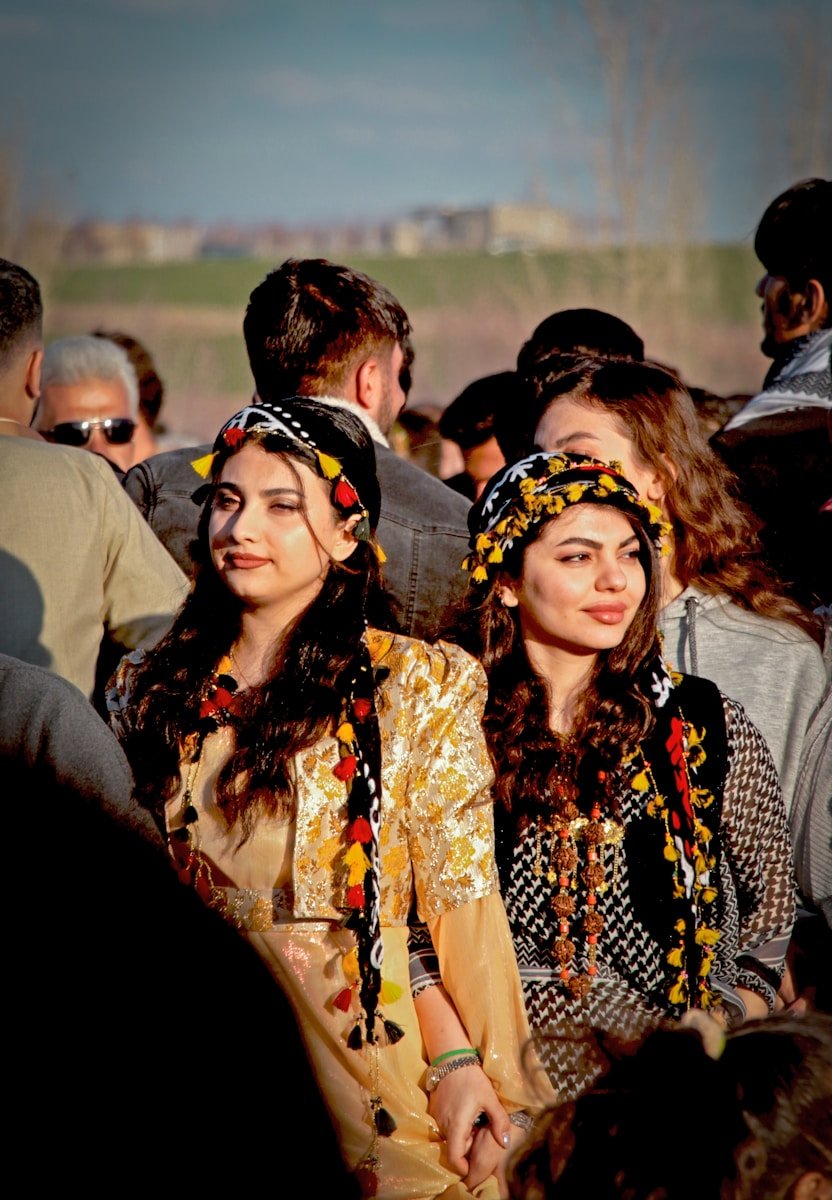
Cultural Diversity
Iraq is home to many cultures, languages, and traditions. Arabs, Kurds, Turkmen, Assyrians, Yazidis, and others coexist across regions, shaping a layered identity beyond a single narrative.
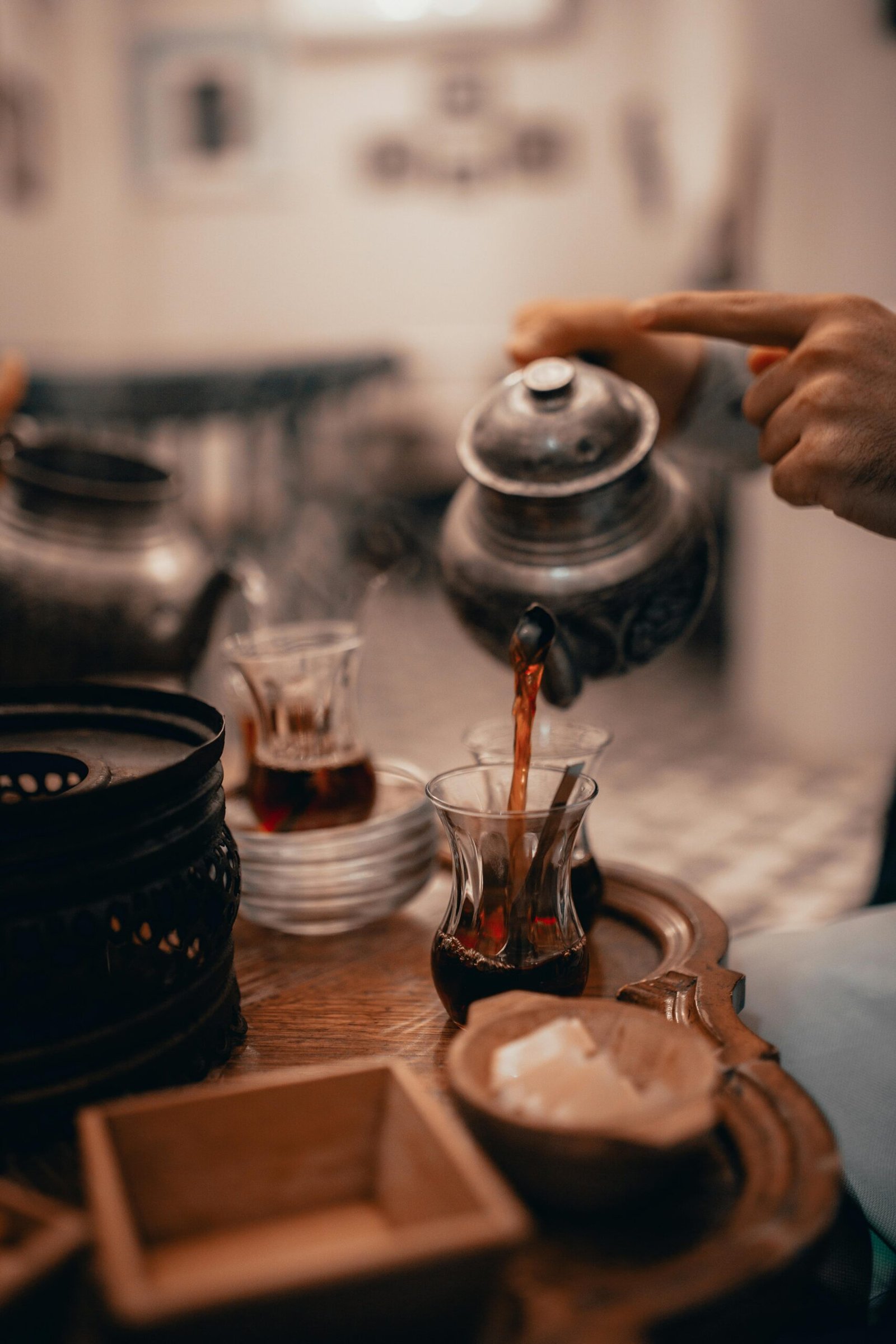
Hospitality
Hospitality in Iraq is instinctive. Guests are treated as family, meals are shared generously, and time is offered without expectation. It is not ceremony — it is character.
Culture at the Table
Iraqi cuisine reflects daily life — shaped by routine, hospitality, regional identity, and memory passed from one kitchen to another.
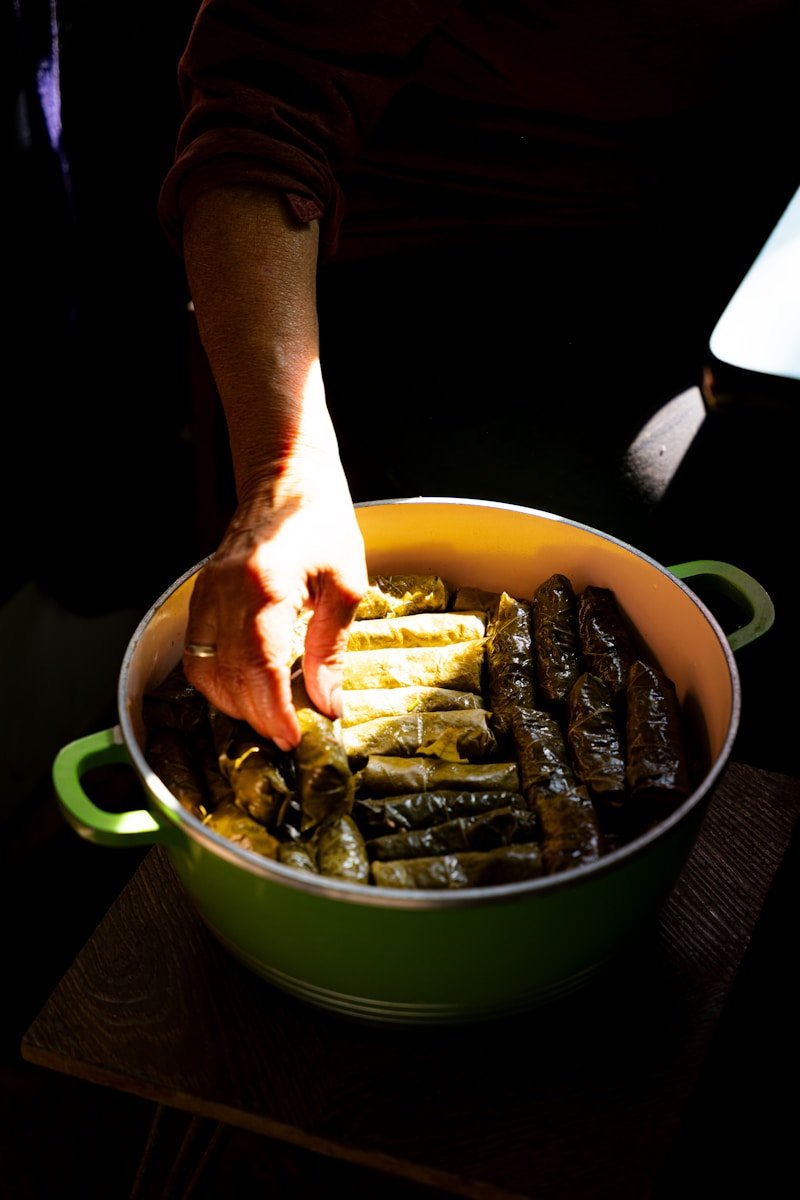
Meals in Iraq are rarely individual experiences. Dishes are placed at the center to be shared rather than portioned — bread used as a utensil, rice as a foundation, and time given freely.
Large platters of timman often anchor the table, served with everyday stews such as bamia, fasolia, or qima. When a meal is meant to slow down, dolma appears — stuffed vegetables and grape leaves layered and cooked patiently, often prepared early so the house fills with its familiar aroma.
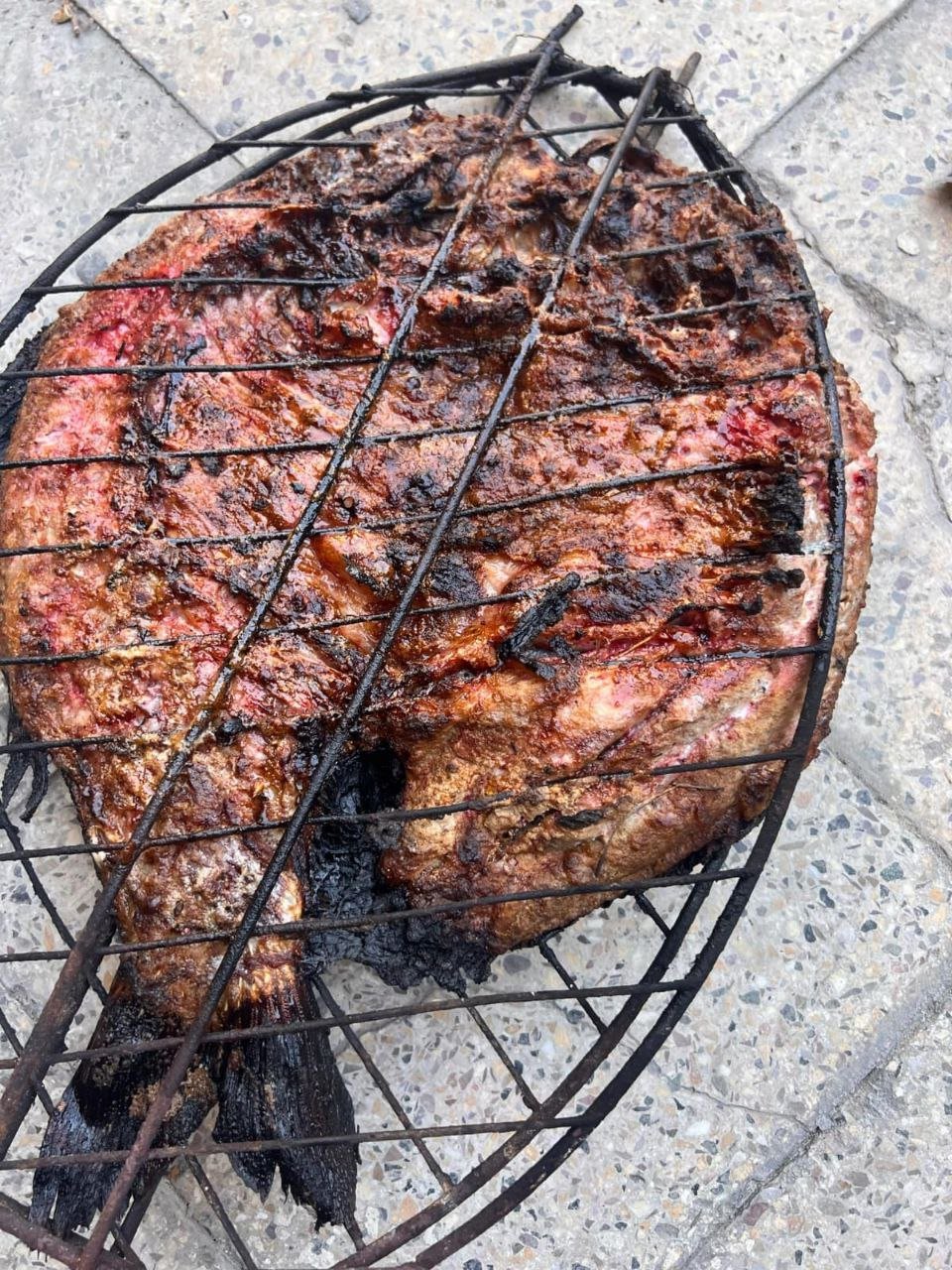
Iraqi cuisine changes noticeably across regions, shaped by climate, agriculture, and history. In the south, river life gives rise to dishes like masgouf — whole carp split and slow-grilled over open fire using a method unchanged for generations.
Central Iraq favors rice-based meals with legumes and meat, while the north reflects Kurdish, Turkish, and Persian influences through breads, yogurt-based dishes, and grilled meats.
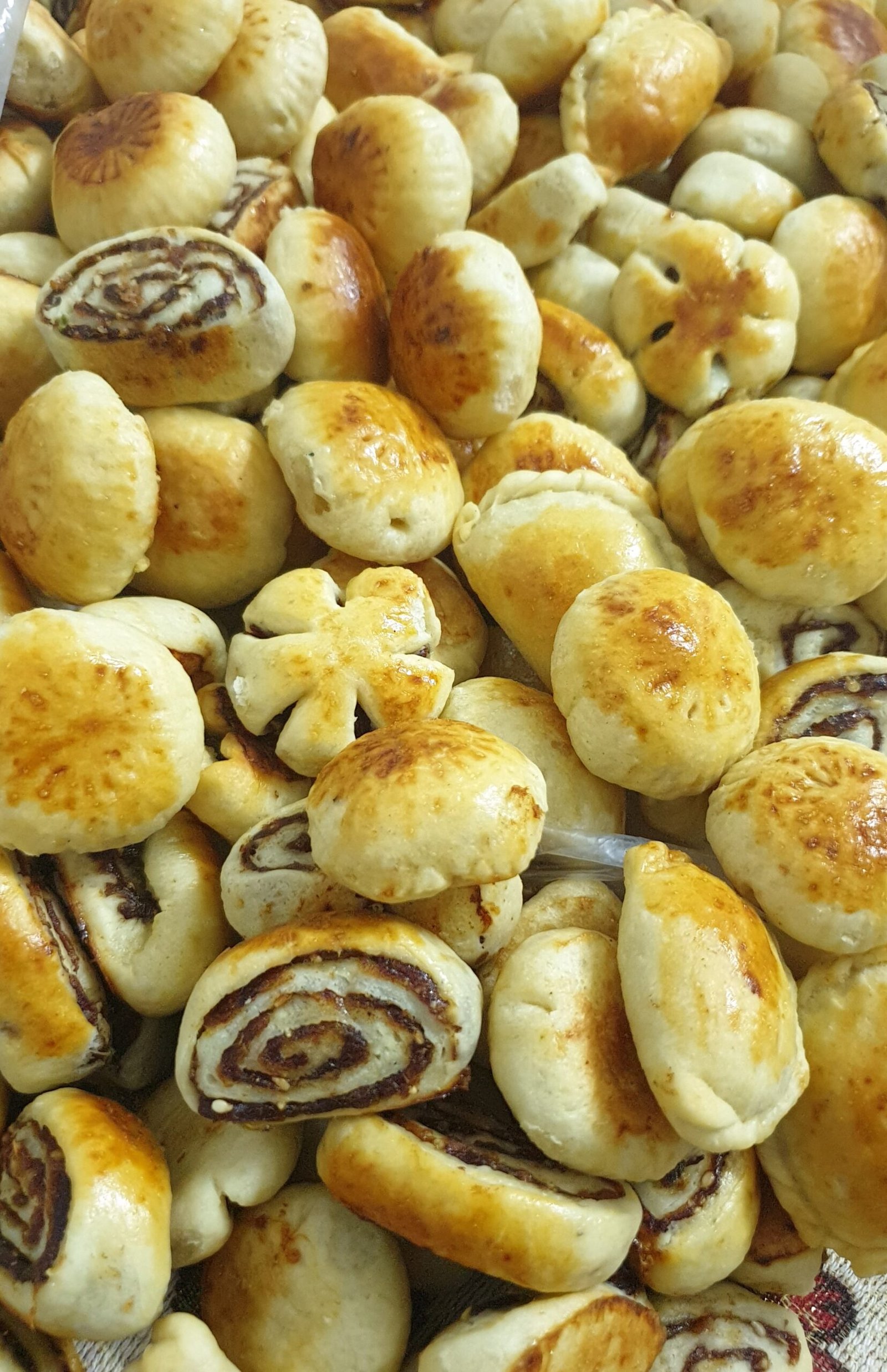
Hospitality in Iraq often begins before conversation. Guests are offered food instinctively — tea, dates, or whatever is available.
Chai (black tea) is brewed strong and served throughout the day, often accompanied by kleicha, date-filled pastries scented with cardamom. The gesture is simple, familiar, and deeply rooted — food as care rather than ceremony.
Certain ingredients appear again and again in Iraqi kitchens — rice, dates, lentils, chickpeas, tomatoes, and herbs. Spices like cardamom, cumin, turmeric, and dried lime add depth without excess.
Food also marks time. Recipes are tied to mothers and grandmothers, remembered through phrases like “this is how she used to make it.” Cooking preserves identity, especially for those living far from home.
“In Iraq, food is not only nourishment — it is memory, routine, and belonging.”
To understand Iraq, one must sit at its table — and stay long enough to listen.